Commercial Roofing in Nashville: What Property Owners Must Know
When considering commercial roofing in Nashville, it's important to recognize that it protects against intense summer heat, sudden downpours, strong winds, and occasional hailstorms. Your roof safeguards your inventory, equipment, staff, and tenants, so it should not be viewed as just another item on a spreadsheet. Instead, it is a long-term asset that requires thoughtful planning, regular maintenance, and a reliable partner to support you.
Navigating Your Commercial Roofing Options in Nashville
There isn’t a single “best” roof for every building. The right roofing system depends on your structure, budget, energy goals, and roof usage.
- TPO (Thermoplastic Polyolefin)
TPO is a bright, reflective single-ply membrane that helps lower cooling costs by bouncing heat away from the building. Heat-welded seams create strong, watertight joints, ideal for flat and low-slope roofs that see heavy rain. Many leading manufacturers supply TPO membranes for commercial projects across the region. - EPDM (Ethylene Propylene Diene Monomer)
EPDM is a durable rubber membrane known for its long service life. It’s available in black (great for absorbing winter sun) and white, which helps with summer heat. Properly installed EPDM handles UV exposure and temperature swings very well, which is why it’s a staple on many low-slope commercial roofs. - Modified Bitumen
Modified bitumen is an asphalt-based system reinforced with polymers for added strength. It can be installed with torch, cold adhesives, or self-adhered sheets, giving flexibility for different job conditions. Its layered construction makes it a smart choice for roofs that see more foot traffic or where puncture resistance is a priority. - Metal Roofing Systems
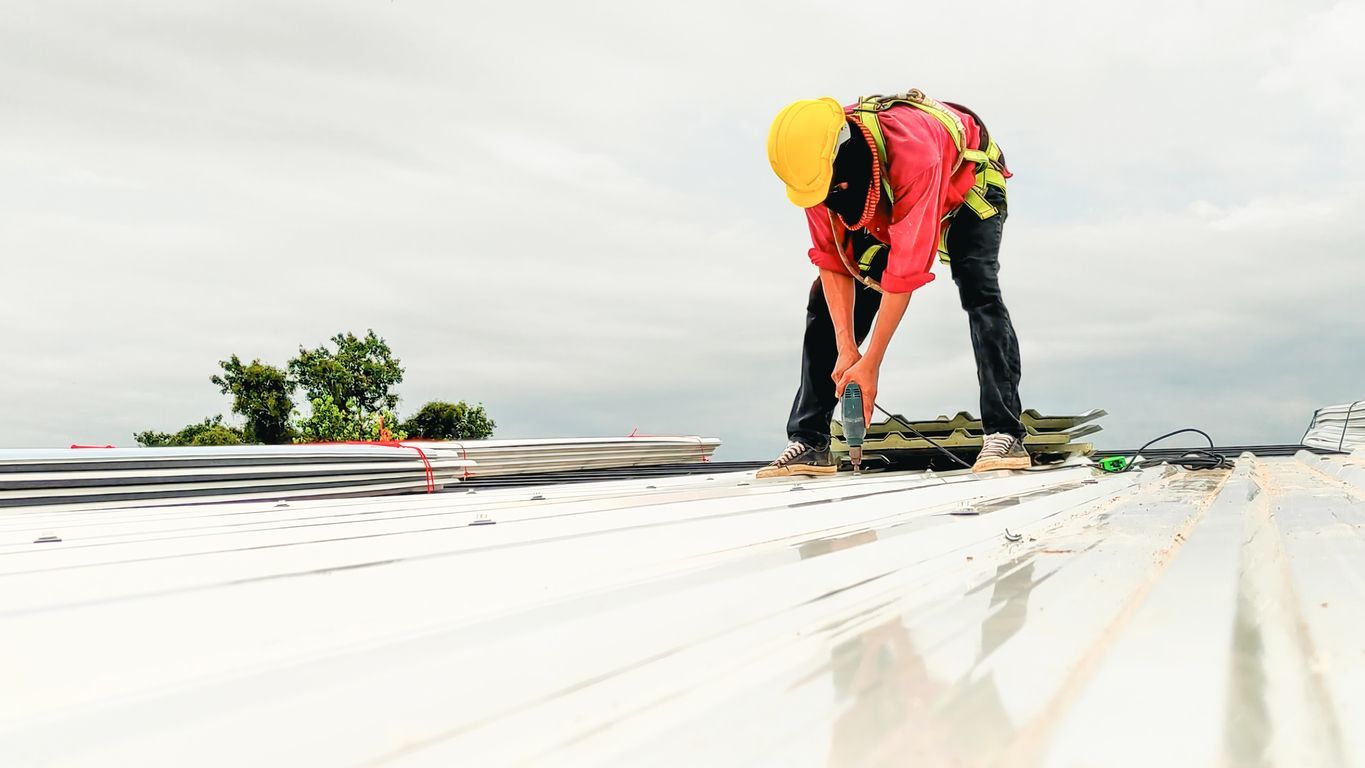
Metal roofing stands out for its long lifespan and recyclability. With properly detailed seams and fasteners, it sheds heavy rain quickly and can be paired with coatings and insulation to help control energy costs. It’s often used on sloped commercial roofs, canopies, and architectural features.
Common Roofing Issues That Threaten Your Commercial Property
Even the best system will struggle if small issues are ignored. A few of the biggest troublemakers include:
- Ponding water: Standing water on a flat roof indicates drainage or structural issues and accelerates membrane aging.
- Membrane shrinkage and splitting: Repeated heating and cooling cycles cause some materials to pull at seams and flashings, opening paths for leaks.
- Flashing failures: Transitions around walls, curbs, vents, and HVAC units are frequent leak points if not detailed and maintained carefully.
- Storm and wind damage: High winds, debris, and hail can lift edges, bruise insulation, and damage coatings, so post-storm inspections are a smart habit.
Choosing a Contractor for Commercial Roofing in Nashville
Selecting a contractor for your commercial roofing project is important, given the high value of this asset. Here are key factors to consider:
- Local experience: Look for a team with extensive experience with local codes, inspection requirements, and weather patterns.
- Licensing and insurance: Ensure the contractor has verifiable licensing and current general liability and workers’ compensation coverage to protect against risks.
- Manufacturer credentials: Choose contractors who are approved by major roofing manufacturers, such as Johns Manville, Mule-Hide, Carlisle SynTec, or GAF. This approval often allows for stronger warranty coverage on the roofing systems they install.
- Clear, written proposals: Choose contractors who major roofing manufacturers approve. This approval often enables stronger warranty coverage for the roofing systems they install.
Protect Your Roof with Smart, Scheduled Maintenance
A simple maintenance plan can add years to a roof’s life and help you avoid disruptive emergencies.
- Schedule professional inspections at least twice a year, plus after major storms.
- Keep drains, scuppers, and gutters free of leaves and debris to reduce ponding.
- Log all inspections, photos, repairs, and warranties in a roof file so you always know its condition.
- Enroll in a formal maintenance program to lock in regular visits and more predictable budgeting.
Partnering for a Secure and Durable Roof
Commercial roofing in Nashville requires expertise and quality materials. National Roof Co is a licensed, bonded, and insured company specializing in multi-family, commercial, and residential projects. We have solid relationships with manufacturers like Johns Manville and GAF. Our focus is on long-term performance, offering solutions like TPO and EPDM membranes, low-slope systems, and maintenance plans. If you need a commercial roof assessment or are planning a new project, contact us to discuss your goals and schedule a professional inspection for your business.
FAQs
What is the best commercial roofing type?
The best type of commercial roofing depends on your building's specific needs. However, membrane systems such as TPO, PVC, and EPDM are highly popular for commercial roofing due to their waterproof properties, energy efficiency, and low maintenance requirements.
How long does commercial roofing last?
Commercial roofing can last 20 to 40 years or more, depending on the roofing type, installation quality, weather conditions, and maintenance practices. Regular inspections and timely repairs can help extend the lifespan of your commercial roof.
How do I choose the right contractor?
To select the right commercial roofing contractor, look for a team that is licensed and insured, with experience in commercial projects. Check for strong reviews, clear estimates, solid warranties, safety practices, and responsive communication throughout the project.
What signs show a commercial roof needs repair?
Common signs that a commercial roof may need repair include leaks, water stains, ponding water, blistered or cracked membranes, loose flashing, damaged seams, higher energy bills, and sagging roof structure.
Does National Roof Co. offer maintenance plans?
Yes, National Roof Co. offers commercial roof maintenance plans that include scheduled inspections, proactive repairs, budgeting support, and customized services. These plans help ensure your roofing system lasts longer and performs reliably year-round.